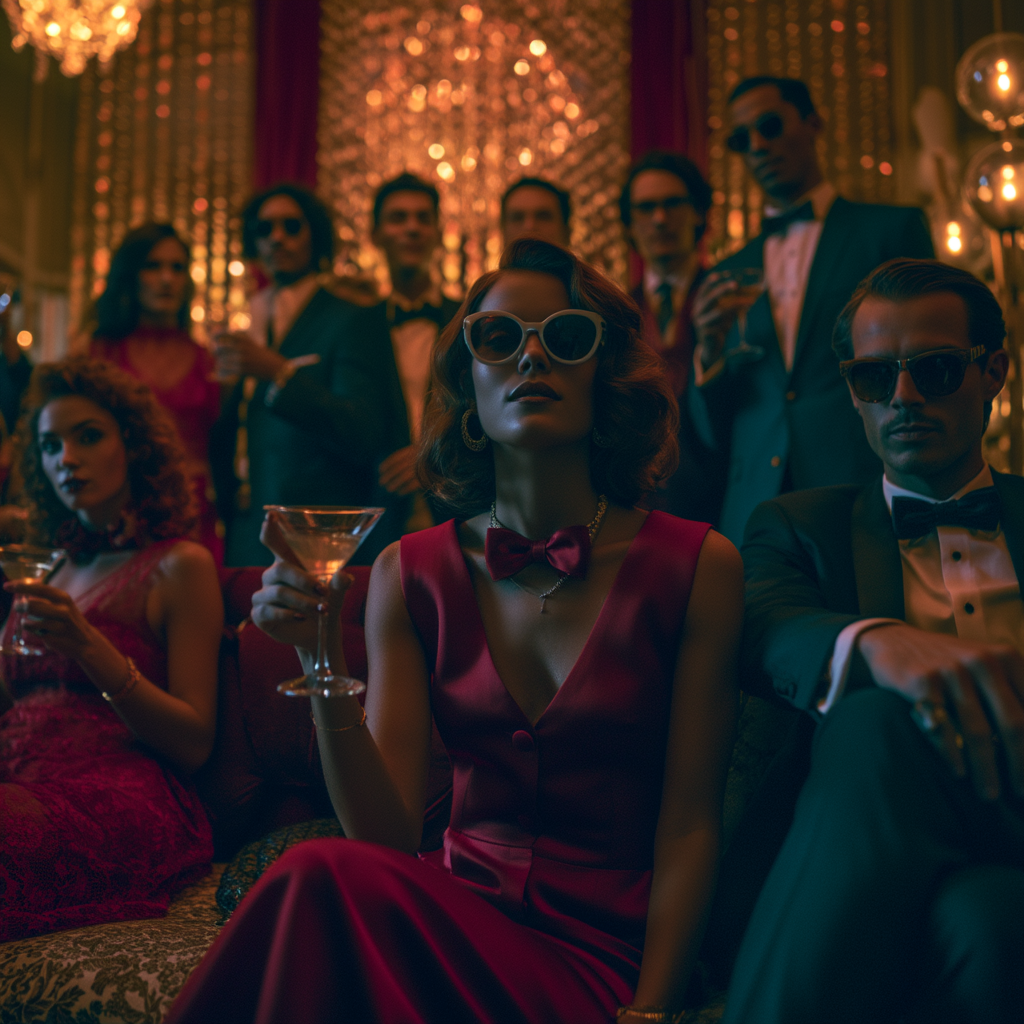
Few lines on an invitation cause as much quiet panic as the words "black tie." It sounds formal, it sounds strict, and most people have only a vague sense of what it actually asks for. The good news is that black tie is one of the most clearly defined dress codes there is. Once you know the rules, there is very little guesswork left.
This guide breaks down what black tie really requires, where the flexibility lives, and how to get it right whether you own a tuxedo or not.
What "Black Tie" Actually Means
Black tie is an evening dress code. Traditionally it applies to events that start after 6 p.m., which is why you see it on invitations to galas, charity balls, formal weddings, and award dinners. In the hierarchy of formality, it sits one step below white tie, the most formal code of all, and a clear step above a standard "formal" or "cocktail" request.
The look traces back to the 1860s, when the Prince of Wales commissioned a shorter, less rigid dinner jacket as a more comfortable alternative to the tailcoat. That jacket became the tuxedo, and the ensemble has stayed remarkably consistent for over a century. If you want to see how it stacks up against the other codes you run into, xSuit's overview of black tie versus formal and casual dress codes is a useful reference point.
The Core Black Tie Dress Code Requirements
At its heart, traditional black tie is a specific set of pieces that work together. When an invitation says "black tie" with no qualifier, this is the expectation:
-
A black or midnight blue dinner jacket with silk-faced (satin or grosgrain) lapels
-
Matching trousers with a silk or satin stripe down each outer leg
-
A crisp white formal shirt, often with a pleated or bibbed front and French cuffs
-
A black bow tie, ideally self-tied in silk or satin
-
A waist covering, meaning a black cummerbund or a low-cut waistcoat
-
Black patent leather shoes, either Oxfords or opera pumps, with black dress socks
-
Simple accessories: cufflinks and shirt studs, plus a white pocket square
That may look like a long list, but the palette is doing most of the work. Black tie is essentially a black-and-white uniform, which is the whole point. Everyone looks polished and coordinated, and no one is competing for attention. For the traditional rules in full detail, the Gentleman's Gazette black tie guide is the deepest resource out there.
How a Tuxedo Differs From a Regular Suit
This is the distinction that trips people up most. From across a room, a black suit and a tuxedo can look nearly identical. Up close, the differences are specific.
The fastest tell is sheen. A tuxedo has satin or grosgrain on the lapels, usually on the buttons, and as a stripe down the trouser leg. A regular suit has none of that shine, since it is a uniform matte fabric throughout. Tuxedos also lean toward peak lapels or a shawl collar, while details considered too "sporty" for formal wear, like notch lapels, pocket flaps, and trouser cuffs, are traditionally left off a proper tuxedo.
So a tuxedo is not just a fancy suit. It is a distinct garment with its own set of formal signals.
Black Tie Optional and Creative Black Tie, Explained
Modern invitations often soften the code, and the wording tells you how much room you have.
Black tie optional (sometimes "black tie invited") acknowledges that not everyone owns or wants to rent a tuxedo. A tux is still welcome and arguably ideal, but a well-fitted dark suit dressed up with formal touches is perfectly acceptable. Creative black tie keeps the formal foundation while inviting a little personal expression, such as a textured dinner jacket, a velvet option in winter, or a subtly colored accessory. The key word is subtle. The formality should still read clearly.
One more common variation: warm-weather and destination events sometimes call for a white dinner jacket with black tuxedo trousers, which keeps the formality while handling the heat better.
Can You Wear a Suit to a Black Tie Event?
For a strict "black tie" invitation, the honest answer is that a tuxedo is the expectation, and if you can rent or own one, that is the safe call. For "black tie optional," though, a sharp black suit absolutely works, and here the details matter more than the label.
A clean black suit paired with a white dress shirt reads close to a tuxedo at a glance, and you can push it further with a black bow tie and polished black shoes. What carries the whole look is fit. A suit that fits precisely reads as intentional and formal, while a loose or boxy one slides toward everyday business wear. That is why getting the right fit, whether modern, slim, or classic, matters so much for formal occasions, and why a well-cut black performance suit can be a genuinely versatile option for the "optional" version of the code. Nailing the finishing details, from the shirt to the shoes, is what elevates a suit to the occasion.
Getting the Black Tie Dress Code Right
Black tie feels intimidating only until you see how consistent it is. Start by reading the invitation carefully, since the exact wording tells you whether a tuxedo is required or a dark suit will do. When it says "black tie" outright, lean traditional. When it says "optional," a well-fitted black suit with the right accessories will carry the evening.
Either way, the guiding principles are the same: keep it black and white, keep the accessories restrained, and make sure everything fits. Get those three things right and you will look like you belong there, which is the entire point of the dress code.