Suit care gets overcomplicated fast. One person treats dry cleaning like a weekly habit. Another treats it like a once-a-year emergency button. Both usually end up unhappy: either the suit wears out early, or it starts looking and smelling tired.
The practical answer is boring, but it works: a suit should be dry cleaned only when it actually needs it. Most of the time, a good suit just needs to be aired out, brushed, and occasionally steamed.
This article explains the real “how often,” what changes that answer, and how to keep a suit looking sharp without sending it to the cleaners every other week.
The Short Answer: Dry Clean Less Than Most People Think
Suits aren’t like dress shirts. For most suits, dry cleaning every few wears is overkill. It is also one of the quickest ways to shorten the life of the garment.
A reasonable baseline looks like this:
-
Regular office wear (rotated and cared for): dry clean every 10 to 20 wears, or a few times per year
-
Occasional wear (weddings, events, interviews): dry clean only when there is a reason, often once per season or less
-
High-sweat use, smoke exposure, frequent commuting, spills: dry clean as needed, which may be more frequent
That “10 to 20 wears” range is not a rule carved in stone. It is a good starting point because most suits do not hold onto enough grime to justify harsh cleaning after every use. They do, however, benefit from regular maintenance that is not dry cleaning.
Special note: If dry cleaning your suit is a big hassle for you, why not opt for a 100% machine washable suit? For instance, the xSuit is completely machine washable. Never worry about dry cleaning again.
Another reason you should be careful about dry cleaning is that it’s entirely possible to do it too often and mess up your suit.
Why Dry Cleaning Too Often Is A Problem
Dry cleaning is effective, but it is not gentle. The process uses chemical solvents and mechanical agitation. Over time, that can:
-
Dull the fabric’s finish and make it look tired
-
Weaken fibers, especially in lightweight wools
-
Stress seams and canvassing
-
Break down fusing in fused jackets
-
Fade darker colors faster
A suit is built to be worn. It is not built to be chemically stripped every week.
Frequent dry cleaning also creates a sneaky cycle: the suit loses shape and sheen, then it gets cleaned more often to “look better,” which makes it degrade faster.
What Should Happen After Most Wears Instead Of Dry Cleaning
A suit usually does not need cleaning after a normal workday. It needs recovery.
A strong routine is simple.
Air It Out
After wearing, the suit should be hung in a well-ventilated space for a few hours, ideally overnight. This lets moisture evaporate and helps odors fade naturally.
Crowding a warm suit into a tight closet is how stale suits are born.
Brush It
A soft garment brush removes dust, surface dirt, and city grit that would otherwise work its way into the fibers. This matters more than many people realize, especially for trousers, which pick up a lot from commuting and sitting.
Steam It Lightly
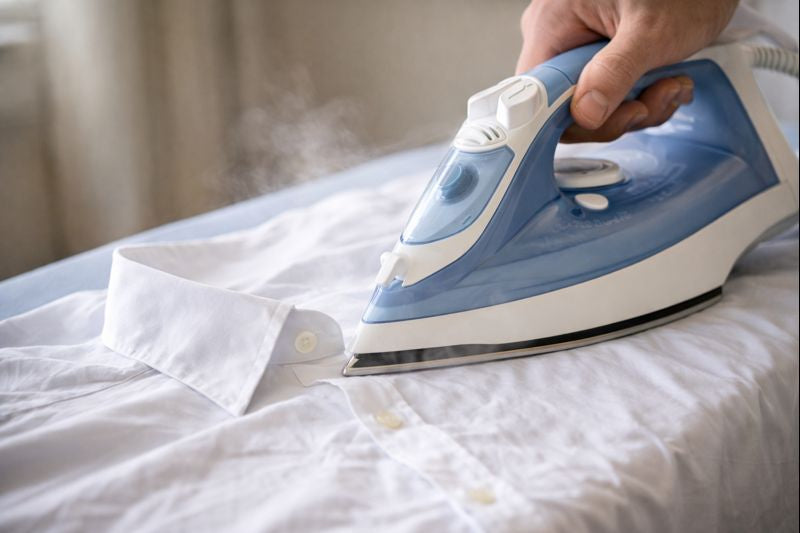
A light steam relaxes wrinkles and refreshes the fabric. It also helps remove mild odors. Steaming is usually a better first move than dry cleaning, especially if the suit looks fine but feels slightly “worn.”
This combination, air, brush, steam, solves the majority of “my suit needs something” moments without sending it to a cleaner.
When A Suit Actually Needs Dry Cleaning
The easiest way to decide is to ignore the calendar and look for triggers.
A suit usually needs dry cleaning when:
-
There is a stain that cannot be spot cleaned safely
-
The suit smells even after airing out
-
The fabric looks dingy or visibly dirty at high-contact areas
-
The trousers show buildup at the seat, knees, or hems
-
Smoke or food odors have set into the fabric
-
A heavy sweat day has left the suit feeling “sticky” or sour
A clean-looking suit with no odor generally does not need dry cleaning. Pressing a suit at the cleaner is a different story. Many people confuse “needs a press” with “needs a dry clean.”
The Factors That Change How Often Dry Cleaning Is Needed
The frequency depends less on “suits in general” and more on conditions.
Fabric And Weave
-
High-twist wool tends to resist wrinkles and recover well; it often needs less cleaning.
-
Flannel and brushed wools can hold onto dust and lint more easily.
-
Linen and cotton suits wrinkle faster and may get pressed more often; that does not always mean they need cleaning more often.
-
Unique active blends might not need dry cleaning at all. For instance, the xSuit is completely machine washable.
Climate And Sweat
Heat and humidity change everything. In warm climates, sweat is the main driver of cleaning frequency, especially for jackets worn on bare skin or without an undershirt.
In cooler climates, suits often stay fresher longer and can go more wears between cleans, assuming there are no stains.
How Often The Suit Is Worn And Whether It Is Rotated
Wearing the same suit multiple days in a row is rough on it. Suits benefit from rest. A day or two between wears lets fibers bounce back and moisture fully evaporate.
Rotation reduces odor, reduces shine at stress points, and reduces cleaning needs.
Commute And Environment
A person who walks through city streets, takes public transit, or travels frequently will pick up more grime than someone driving from garage to office. That grime is mostly surface-level at first, which is why brushing helps so much.
Spot Cleaning Vs Dry Cleaning
Not every mark should trigger a full dry clean.
A small splash or smudge can often be handled with careful spot cleaning, especially if dealt with quickly. The goal is to lift the stain without scrubbing aggressively or soaking the fabric.
When in doubt, professional spot treatment is safer than home experiments. A good cleaner can often treat a localized stain and press the suit without running a full dry-clean cycle.
How To Talk To A Dry Cleaner So The Suit Comes Back Better
Dry cleaning quality varies widely. A suit can be “clean” and still come back looking worse if it was overheated, over-pressed, or treated roughly.
A few simple requests help:
-
Ask for spot treatment first when possible
-
Request a light press rather than a hard, shiny press
-
Mention any sensitive areas: lapels, shoulder structure, trouser creases
-
Point out stains and describe what caused them, since it affects treatment
A cleaner who takes the suit seriously will ask questions and inspect the fabric. If the counter experience feels rushed, it is worth finding a better shop.
Clean When Needed, Maintain Always
A suit does not need constant dry cleaning to look good. It needs consistent care.
Most suits look their best when dry cleaning is treated as a tool, not a habit. Airing, brushing, and light steaming handle everyday wear. Dry cleaning steps in when there is a real reason: stains, odor, or visible buildup.
That is the balance that keeps a suit looking crisp in the short term and still looking expensive years later.