It usually happens around mid-afternoon. The room is warm, the event has loosened up, and your suit jacket is starting to feel like a winter coat. You look around and notice a few guys have already shed theirs, and the ones wearing vests still look put together. So you wonder: is that actually allowed, or are they getting away with something?
Good news. Wearing a vest without the jacket is a legitimate, long-standing way to dress. But like most things in menswear, it works beautifully in some situations and falls flat in others. Here's how to tell the difference, and how to make the look work when you choose it.
Can You Wear a Vest Without the Jacket? The Short Answer
Yes, you can. The vest (or waistcoat, if you prefer the British term) has a long history as a garment worn both under a coat and on its own. By the early 20th century, men were already pairing waistcoats with trousers outside of the full three-piece suit, and that habit never really went away.
The real question isn't whether you can. It's whether the setting, the fit, and the vest itself are right for it. A vest worn alone is more relaxed than a full suit, so it reads as smart and intentional in the right context and slightly underdressed in the wrong one.
When Wearing a Suit Vest Without a Jacket Works Well
Going jacketless with a vest tends to shine in settings where people expect you to look sharp but not buttoned up. A few examples:
-
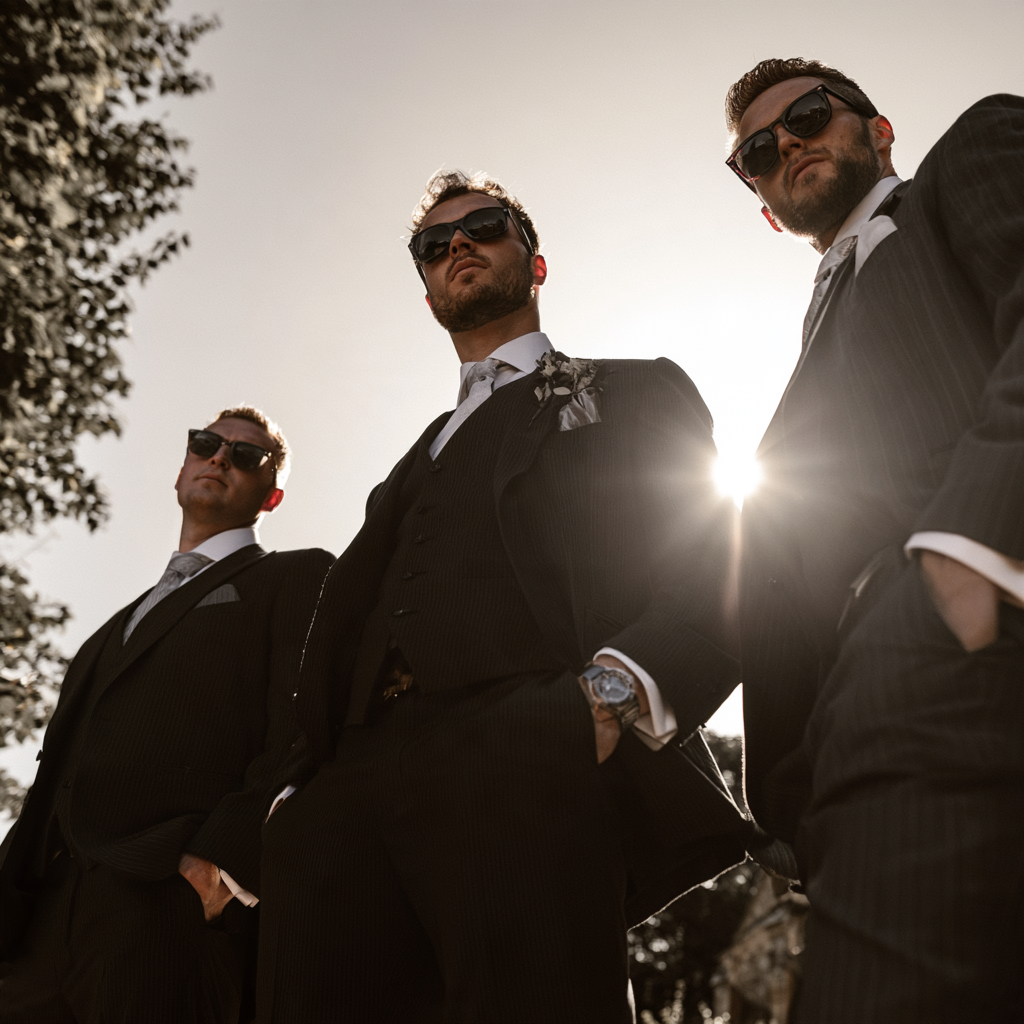
Summer weddings and outdoor receptions. Once the ceremony ends and dinner begins, removing your jacket while keeping the vest on keeps your outfit structured instead of sloppy.
-
Business casual offices. A vest over a crisp dress shirt signals effort without the formality of a full suit.
-
Dinners, date nights, and holiday parties. It's a polished middle ground, especially at events calling for cocktail attire for men, where you might start in a jacket and finish without one.
-
Creative or social work events. Think conferences, networking mixers, or client dinners in less traditional industries.
-
Warm climates. When a jacket isn't realistic, a vest gives your torso shape and polish without the extra layer.
When to Keep the Jacket On Over Your Vest
There are also times when the vest-only look can send the wrong message. Keep the jacket on for:
-
Black tie and formal evening events. Formal waistcoats are designed to be worn under a jacket, never alone.
-
Job interviews and first meetings. You want your first impression to be the full suit.
-
Funerals and solemn ceremonies. These call for your most conservative, complete look.
-
The wedding party, if you're in it. Follow the couple's lead. If the groomsmen stay jacketed, so do you.
A simple rule of thumb: if you're unsure, start with the jacket on. Removing it later is easy. Showing up underdressed isn't.
Why Fit Matters More When You Wear a Vest Without a Jacket
Under a jacket, a vest is mostly hidden. On its own, it becomes the center of your outfit, so every fit issue becomes visible. Pay attention to these areas:
-
Length. The vest should cover your waistband completely. If you can see a strip of shirt or belt between the vest and your trousers, the look falls apart immediately.
-
Chest and front. It should lie flat without pulling at the buttons or gaping open.
-
Armholes. They should sit close enough to avoid gaps, but leave room to move your arms freely.
-
The back. Without a jacket, people will see the back of the vest. Use the adjustment strap to get a smooth, clean line.
Also keep the classic convention of leaving the bottom button undone on a single-breasted vest. It prevents the hem from pulling and bunching when you sit, which matters even more when there's no jacket to cover it.
For a deeper look at vest fit, styles, and neckwear choices, our guide on how to wear a suit vest covers the fundamentals in detail.
How to Style a Vest Without a Jacket
Once the fit is right, the rest comes down to a few smart choices.
Choose your shirt carefully. A solid white or light blue dress shirt is the safest foundation. Since your sleeves are now on full display, make sure the shirt fits well through the arms. Rolling the sleeves neatly to the forearm is fine for relaxed events, but keep them down and buttoned in more formal settings.
Decide on the tie. A tie makes the vest-only look feel dressier and more deliberate. Skipping it with an open collar creates a relaxed, approachable style that works for dinners and casual gatherings.
Pair it with the right trousers. Matching trousers create a clean, tailored column of color that looks like a suit with the jacket simply set aside. Contrasting trousers or chinos push the look toward smart casual. Either way, the trousers need to fit well at the waist since the vest draws attention there. If you want a matched look, consider stretch suit pants in the same color family as your vest.
Finish with shoes that match the formality. Oxfords or loafers for dressier events, clean leather sneakers only when the setting is genuinely casual.
What to Look For in a Vest You'll Wear Without a Jacket
If you plan to wear a vest on its own regularly, the vest itself matters. A vest built strictly to hide under a jacket may have a stiff, bulky feel or a cheap-looking back panel. For standalone wear, it's worth weighing a few practical features:
-
Breathability. You're likely going jacketless because it's warm, so a lightweight fabric makes a real difference.
-
Stretch. Without a jacket, you'll probably be more active, dancing, reaching, and moving around.
-
Wrinkle and stain resistance. Everything is visible now, including spills and creases.
-
Length options. Since coverage at the waistband is critical, vests offered in multiple lengths make a proper fit easier to find.
As an example, xSuit's performance suit vests are built with an 8-way stretch fabric that's described as lightweight, breathable, and wrinkle and stain resistant, and they're machine washable. The xVest 5.0 in navy, for instance, comes in short, regular, and long lengths across a wide range of sizes. One trade-off to consider: xSuit doesn't recommend tailoring the xVest because of its construction, so getting the size right from the start matters more than it would with a traditional vest you plan to alter.
Deciding If a Vest Without a Jacket Is Right for You
So, can you wear a vest without the jacket? Absolutely, as long as the occasion supports it and the vest fits well enough to stand on its own. Ask yourself three quick questions before you head out:
-
Is the event relaxed enough that a jacketless look will read as intentional?
-
Does the vest cover your waistband and lie flat across your chest?
-
Is the vest comfortable and durable enough to be the star of your outfit for hours?
If you can answer yes to all three, you're in good shape. A well-fitted vest worn without a jacket is one of the most versatile looks in menswear. It keeps you cool, comfortable, and sharp, whether you're at a summer reception or a Friday dinner downtown.