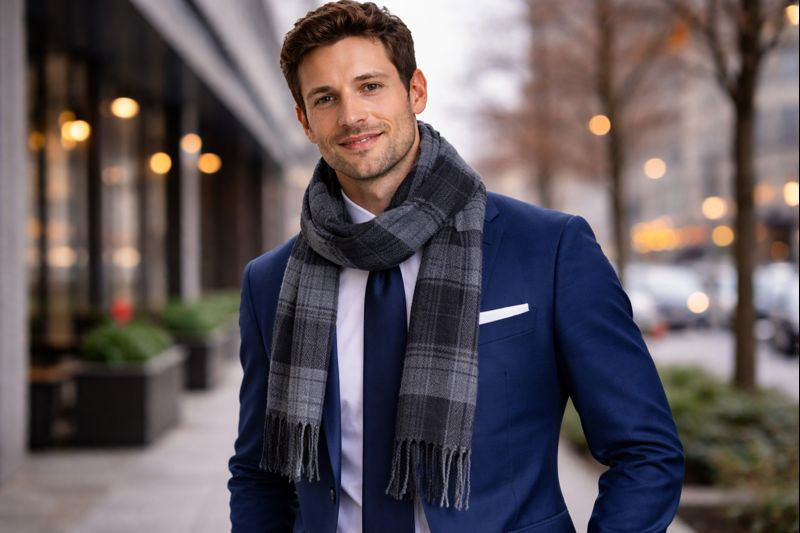
Conference style is not about looking “fashionable.” It is about looking competent in three different environments without changing outfits five times. You need something that survives airports, reads sharp on stage, and still works if the day ends at a loud bar with bad lighting and name tags.
The trick is planning for the full timeline: travel, the presentation, and the after-hours conversations. Each phase has different demands, but you can build a small, flexible wardrobe that handles all of it. It’s important that you get your hands on a good business suit that can handle some abuse.
Start with the real constraints
Before picking pieces, get honest about the situation.
How formal is the conference culture: tech casual, corporate, academic, finance. Are you presenting in a ballroom under bright lights or in a classroom. How many days. How many flights. Will you be walking a lot between hotels and venues.
Those answers decide whether you should aim for suit-and-tie polish, elevated business casual, or something in between. Most people miss this step, then spend the whole trip feeling either overdressed or underpowered.
Build a base outfit that can flex
The best conference outfit is a simple core that you can adjust with one swap. Think of it like a uniform, not a costume.
A strong base is usually one of these:
-
A tailored suit with a dress shirt
-
A blazer with dress pants and a dress shirt
-
A structured knit jacket with trousers and a refined polo or knit shirt
If you can only pack one “main look,” choose the option that works for your presentation. You can always dress down slightly for the rest of the day. Dressing up on the spot is harder.
Flying in: comfort that still looks intentional
Airports are a stress test for clothing. Seats are cramped, temps swing, and fabrics wrinkle. Comfort matters, but you still want to look like a professional when you land and head straight to check-in or a meeting.
What works well for travel days
Choose pieces that stretch, breathe, and recover their shape. A soft structured blazer or knit jacket can replace a bulky hoodie and still keep you comfortable.
Go with trousers that do not cling and do not crease aggressively. Avoid anything that feels restrictive at the waist. Flights turn even a good waistband into an enemy.
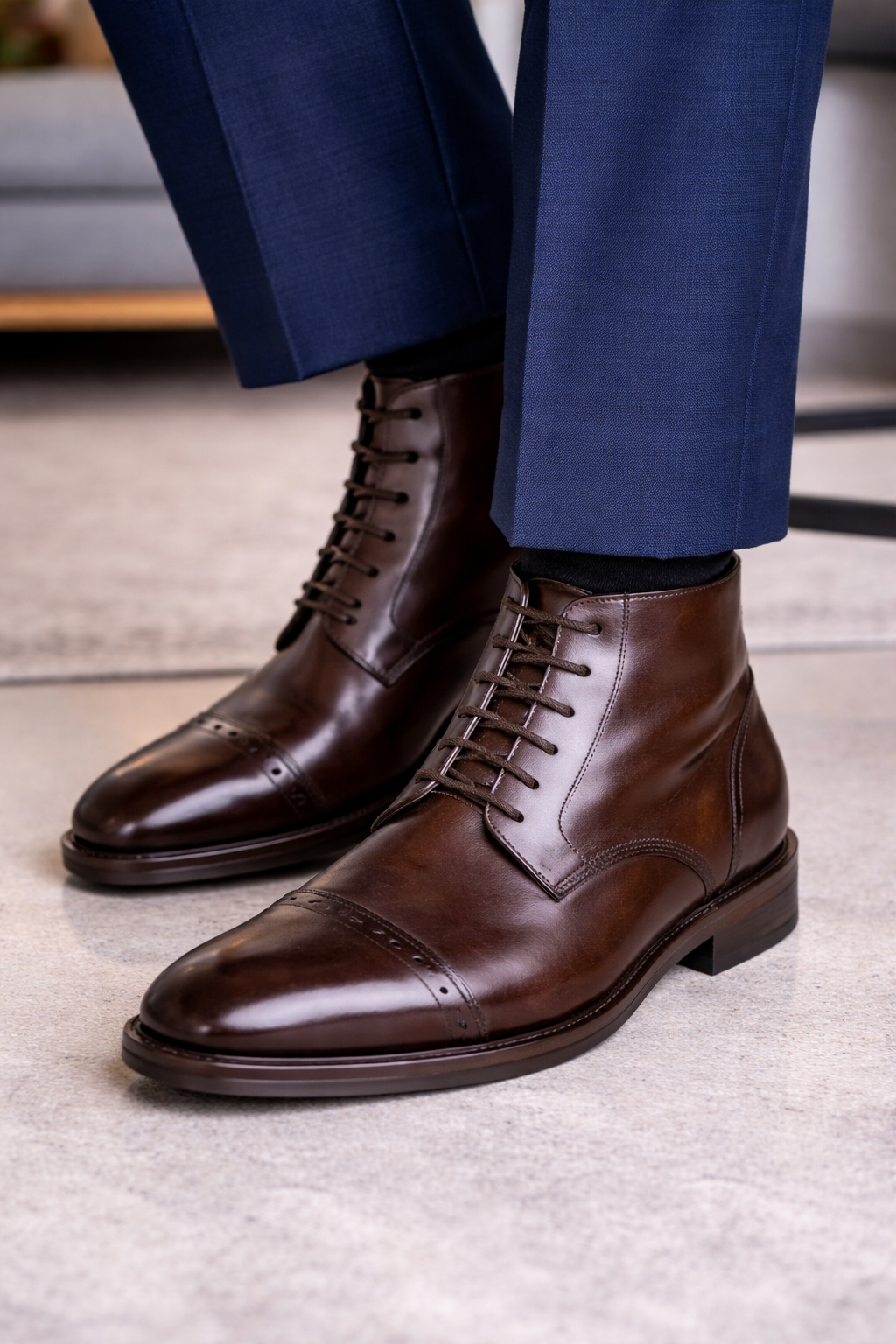
Shoes should be simple, clean, and easy to remove. A sleek leather sneaker can work in casual industries. For more formal settings, consider a comfortable loafer or a low-profile dress shoe with a soft sole.
The easiest travel layering strategy
Wear a light base layer, then add a top layer you can take off quickly. Plan for cold airports and warm arrivals. If you are sweating while rolling a carry-on, the outfit will look tired fast.
Presenting: dress for the room and the camera
Presenting is the highest-stakes part of the trip. The goal is to look sharp, credible, and calm. Clothing helps with all three.
Choose the right formality level
If the conference is suit-heavy, wear the suit. If it is business casual, a blazer and trousers is usually enough. In more relaxed environments, a structured jacket with refined pants can still look elevated without feeling out of place.
A useful rule: dress one notch above the median attendee when you are the one on stage. Not three notches. One.
Focus on fit and movement
If you cannot raise your arms, turn, or breathe well, you will present worse. Make sure the jacket allows comfortable movement in the shoulders. Check that the shirt collar is not choking you when you look down at notes.
Also, stage lights are unforgiving. A shirt that looks fine in a mirror can show sweat or cling under heat. Choose breathable fabrics and keep the fit clean, not tight.
Think about microphone and pocket placement
If you are wearing a lapel mic, a jacket with a stable lapel helps. If you are using a handheld mic, consider how your sleeves and cuffs feel when you lift your arm.
Keep pockets light. Heavy items distort your silhouette and make you look rumpled on stage.
Networking after: same base, slightly different energy
Networking tends to happen in dim spaces, with drinks in hand, and conversations that last longer than planned. You want to look approachable, not stiff. But you also do not want to look like you clocked out.
This is where the flexible base outfit pays off.
Simple ways to shift the look without changing everything
Lose the tie if you wore one. Open one button at the collar, but keep it controlled. Swap the dress shoes for cleaner, more comfortable options if the setting allows it. If the venue is warm, ditch the jacket and make sure the shirt looks good on its own.
A blazer can feel too formal in a casual bar, but a well-fitted shirt with clean trousers rarely feels wrong. If you are unsure, carry the jacket and put it back on when needed.
What to pack for a multi-day conference
Packing is where most people either overpack or bring the wrong things. The goal is maximum combinations with minimal pieces.
Here is the most practical approach: pack around your pants and your shoes. Those are harder to swap and they control the tone of the outfit. Then pack tops that can rotate.
One list is helpful here, because it gives a realistic baseline for most conferences:
-
1 jacket or suit
-
2 pairs of trousers
-
3 shirts
-
1 versatile shoe option, plus a backup if the trip is long
-
1 belt that matches the dressier shoe
-
Socks that work with both outfits
-
A compact layer for temperature swings
This setup covers travel, presentation, and networking without looking like you wore the same thing every day.
Common mistakes that make people look less sharp
Most conference style mistakes are not about taste. They are about practicality.
Wearing a shirt that wrinkles instantly. Wearing a jacket that is too tight in the shoulders. Choosing shoes that hurt by hour three. Packing too many “statement” pieces and not enough basics. Overdoing fragrance in close spaces.
Another common one: dressing too casually on day one because you are “just traveling,” then realizing the first handshake happens in the hotel lobby. If you might be meeting people, dress like you might be meeting people.
Small details that quietly raise the whole look
The biggest upgrades are boring, which is why they work.
Press or steam your shirt. Keep shoes clean. Use a lint roller. Make sure your belt matches your dress shoe color. Keep your name badge from twisting by clipping it on cleanly.
If you wear glasses, clean them. If you carry a bag, avoid something overly bulky that collapses your jacket line.
These details do not scream “effort,” but they signal competence.
How to choose the right outfit for your industry
Conference dress codes are culture-specific. If you are in tech, you can often get away with elevated casual, but you still need structure if you are presenting. In finance, law, or enterprise sales, you will rarely regret being a little more formal. In academia, comfort matters, but sharp basics still help you look prepared.
If you are not sure, look at photos from last year’s event. Search the conference hashtag. Check speaker images. Aim for that level, then step slightly above it if you are on stage.
Conference dressing for a confident man
Conference dressing is about building one clean system that can handle travel, stage time, and social hours without falling apart. Start with the most demanding moment, which is presenting. Build a base outfit that fits well and moves with you. Then make small adjustments for flights and networking so you look comfortable without looking careless.
When your clothing stops being a distraction, you show up better. That is the whole point.