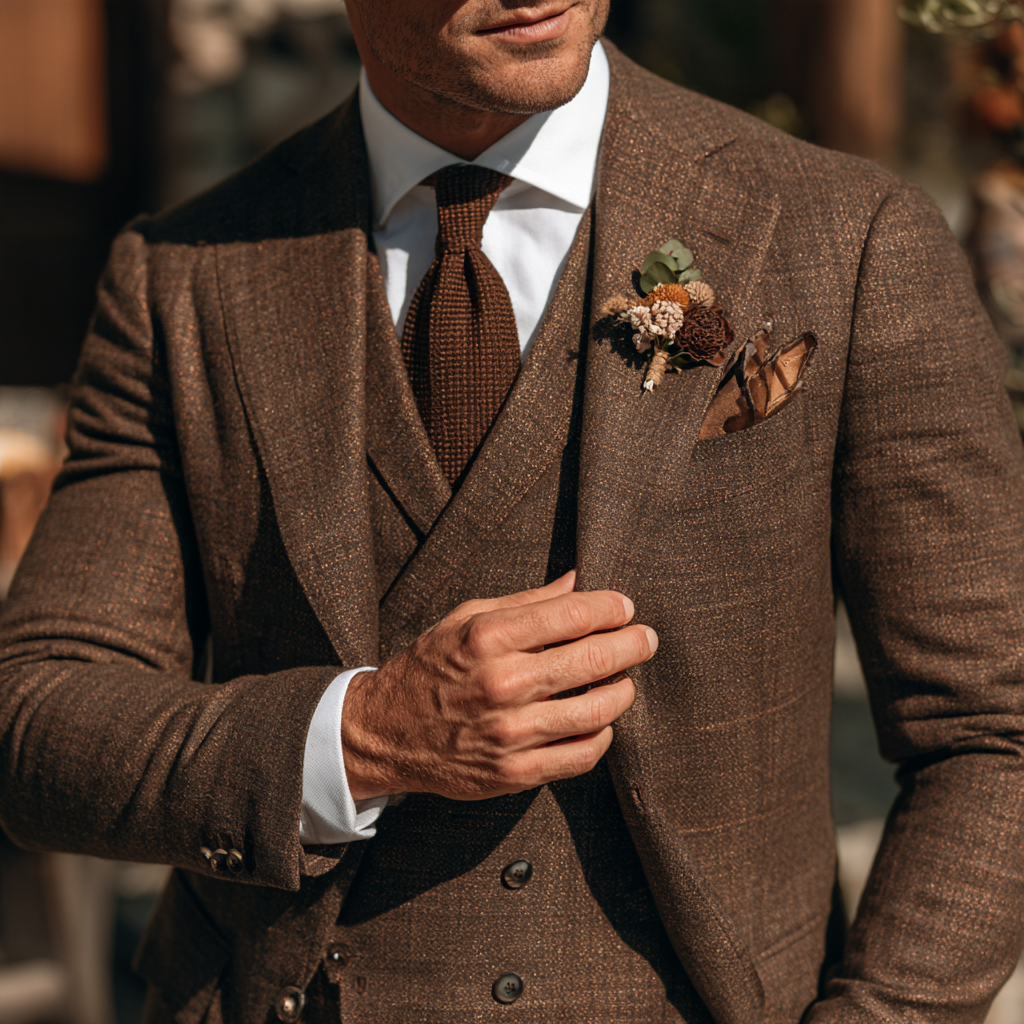
Quick answer: The off-the-rack suit alterations worth paying for are the simple ones: hemming the trousers, adjusting sleeve length, taking in the trouser waist, and lightly shaping the jacket waist. Alterations to the shoulders, jacket length, or overall chest size are rarely worth it because they're expensive and often still look off. If the shoulders fit, the suit can usually be fixed. If they don't, keep looking.
Almost every man who buys a suit off the rack hits the same moment. The jacket feels close, the pants pool a little at the ankle, and someone says, "Just get it tailored." That advice is only half right. A good tailor can turn a decent suit into one that looks made for you, but some fit problems are built into the bones of the garment, and no amount of skill will make them disappear.
Knowing the difference before you buy saves you money, extra trips to the alterations shop, and the quiet frustration of a suit that never looks quite right.
Why Off-the-Rack Suits Rarely Fit Perfectly
Ready-to-wear suits are cut around a standard set of proportions: a certain shoulder width for a certain chest size, a predictable difference between chest and waist, and arms and legs of average length. Real bodies don't follow those rules. One man has long arms and a short torso. Another has an athletic build with a much narrower waist than his chest would suggest.
That said, not every suit needs work. The stylists interviewed by The Knot on whether every suit needs alterations make a fair point: if your build lines up closely with the brand's fit model, the suit may be fine as is. The goal is a suit that fits well, not a trip to the tailor out of habit.
Suit Alterations Worth Fixing: The Easy Wins

The alterations below are inexpensive, low risk, and make a visible difference. Most rely on extra fabric that manufacturers build into seams for exactly this purpose.
-
Hemming the trousers. The most common alteration and usually the cheapest, often around $15 to $25. If you're curious about the process or want to try it yourself, here's a practical guide on how to hem suit pants.
-
Shortening the sleeves. You want roughly a quarter to half an inch of shirt cuff showing. This is simple on jackets with decorative buttons. It gets pricier if the cuffs have working buttonholes, since the tailor may need to adjust from the shoulder end instead.
-
Taking in the trouser waist or seat. An inch or two is routine, thanks to the extra fabric in the center back seam.
-
Tapering the trouser legs. A modest taper from the knee down cleans up a baggy silhouette without much cost.
-
Lightly suppressing the jacket waist. A small take-in at the side or back seams can remove a boxy look, as long as the change is subtle.
Suit Alterations Not Worth Fixing: Know When to Walk Away
Some problems sit in the structure of the jacket. Fixing them means taking the garment apart, and even skilled tailors can't guarantee the result.
Shoulders. This is the big one. Narrowing shoulders means removing the sleeves, recutting, and reattaching, and it can easily cost more than $100 with mixed results. Signs the shoulders are wrong include padding that extends past your natural shoulder, a dent in the sleeve just below the shoulder seam, or pulling across your upper back.
Jacket length. Shortening a jacket throws off the placement of the pockets and buttons, and there's rarely enough fabric to lengthen one. The jacket should cover your seat. If it doesn't, that's a sizing problem.
Going up or down more than a size. Letting out a jacket is limited by how much seam allowance exists, which is often very little. Taking it in significantly distorts the proportions it was designed around.
Fixed design details. Lapel width, button placement, and pocket position are effectively permanent.
A useful reality check is cost. If the alterations needed start to approach a large share of what you paid, that money is usually better spent on a suit that fits closer from the start. It's the same logic behind understanding what you're actually paying for in a $500 suit: value comes from how well the suit serves you over time, not just the sticker price.
How Suit Fabric and Construction Affect Alterations
Traditional wool suits are sewn with seams that leave room for adjustment, which is why tailors can take them in or let them out. Many modern performance suits are built differently. Stretch fabrics, bonded seams, and laser-cut panels can leave little or no seam allowance to work with, so the usual tailoring tricks may not apply.
xSuit is a clear example. The xSuit 5.0 is laser-cut and seam-sealed, and the brand states that alterations other than hemming the pants aren't recommended and can affect its fit guarantee. Instead of relying on a tailor, the suits come in short, regular, and long jacket lengths and multiple inseams, and the four-way stretch fabric gives some flexibility with small differences in build.
That's a real trade-off worth weighing. You get a suit designed to fit out of the box, but fewer options to fine-tune later, so choosing the right size up front matters more. The brand's Perfect Fit Guide includes size charts and a short fit quiz for that reason. One practical tip: returns and exchanges only apply to unaltered items, so wear the suit around the house a few times and confirm the size before you hem anything.
Height plays a role here too. Shorter men often need sleeve and jacket length changes more than anyone, so it helps to understand how a suit should fit if you're short before deciding what to alter.
A Simple Checklist for Deciding Which Suit Alterations Are Worth It
Before you hand a suit to a tailor, or before you buy one, run through these questions:
-
Do the shoulders fit? If not, stop here. This is the one thing you can't easily fix.
-
Does the jacket cover your seat? If not, try a longer length or a different size.
-
Does it button without pulling into an X across the front? Minor tension is fixable. Visible strain usually isn't.
-
Are the remaining issues limited to length and waist? Those are the easy wins.
-
Does the brand allow alterations? Check whether tailoring affects returns or warranty coverage before you commit.
For quick reference:
|
Usually worth it |
Depends on the suit |
Usually not worth it |
|---|---|---|
|
Trouser hem |
Jacket waist take-in |
Shoulder width |
|
Sleeve length |
Letting out trousers |
Jacket length |
|
Trouser waist |
Sleeve length with working cuffs |
Resizing the chest |
|
Leg taper |
Collar adjustments |
Lapels and button placement |
Choosing Off-the-Rack Suit Alterations Wisely
The smartest approach to off-the-rack suit alterations is to buy for the parts you can't change and tailor the parts you can. Get the shoulders, chest, and jacket length right in the store or at home, then spend modestly on hems, sleeves, and waist adjustments.
Your suit's construction should factor into that decision, too. A traditional wool suit gives you more room to tailor over the years, while engineered performance suits offered in multiple lengths and inseams shift the focus to finding the right size from the beginning. Neither approach is wrong. The best choice is the one that fits your body, your budget, and how much time you want to spend at the tailor.