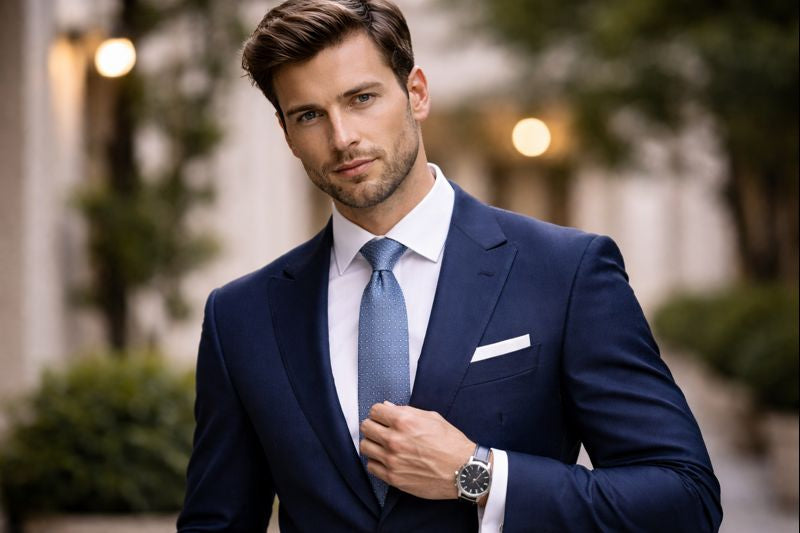
A good suit gets noticed. A true luxury suit does not just get noticed: it changes how someone walks into a room. The fabric moves differently, the shoulders sit cleaner, the details feel intentional instead of decorative.
Luxury suiting is not only about price or a famous name on the label. It is about how the suit is cut, how it drapes, how it feels at 9 a.m. and at midnight, and how long it still looks sharp after years of wear.
Right now, luxury suiting sits in two camps:
-
The old guard: Italian and British houses built on handwork, rare fabrics, and decades of tailoring tradition.
-
The new guard: performance-driven brands that treat comfort, stretch, and practicality as part of the luxury equation.
This guide looks at what actually makes a suit brand “luxury”, the classic names that still dominate, and how modern players like xSuit fit into the conversation.
(Looking for a more general guide of all men’s suit brands? Find our exhaustive list here)
What Makes a Suit Brand Truly “Luxury”
Luxury is not a vague feeling. It comes from specific choices: how the garment is made, what it is made from, how consistent the fit is, and what kind of experience surrounds it.
Craftsmanship and Construction
At the high end, construction is everything.
Luxury suits typically feature:
-
Full or half canvas in the jacket instead of glued fusing.
-
Hand-padded lapels that roll naturally instead of sitting flat.
-
Carefully set sleeves that allow movement without twisting or collapsing.
Handwork does not exist just for romance. It allows the suit to mold to the body, recover better from wear, and age with more character instead of falling apart at the seams.
Fabric Quality and Mills
Luxury brands work with some of the best mills in the world or own their own. That means:
-
Superfine wool with smooth, soft handle.
-
High quality worsted yarns that resist pilling.
-
Blends with cashmere, silk, or mohair when extra depth or sheen is needed.
Better cloth drapes cleanly; resists wrinkles more naturally; feels comfortable directly on skin. It is the difference between “nice enough” and “this feels expensive” before anyone sees the label.
Fit, House Style, and Consistency
Every serious luxury house has a recognizable cut.
Some are known for strong shoulders and sharp lines. Others lean soft and relaxed. The key is that the brand’s suits are:
-
Patterned well for the human body.
-
Consistent enough that once the right size is found, future purchases feel predictable.
No logo can compensate for a jacket that collapses at the back or trousers that twist around the leg.
Service, Heritage, and Experience
Luxury is also about how the suit is bought and looked after.
High level brands usually offer:
-
On-site tailoring or a strong relationship with trained tailors.
-
Made-to-measure or even full bespoke at the top tier.
-
Guidance on cut, fabric, and styling from staff who actually understand suiting.
Heritage matters because it shapes the eye: long-running houses refine their proportions over decades. That history shows up every time the jacket lands perfectly on the shoulder without effort.
Modern Performance as Part of Luxury
There is a newer layer to luxury today: functionality. Many professionals need suits that look sharp and handle real life: commuting, travel, long days, and unpredictable weather.
Performance-focused brands like xSuit treat technology as part of the luxury story:
-
Stretch for mobility.
-
Wrinkle resistance so the suit still looks pressed after a flight.
-
Stain and odor resistance for clothes that stay fresher longer.
In that sense, luxury is no longer just about looking good; it is about making a demanding schedule feel easier while still looking put together.
The Italian Heavyweights: Fabric and Flair
Italian tailoring has a reputation for ease: sharp yet relaxed, refined without stiffness. The country’s best suit brands combine world-class cloth with pattern work that follows the body in a natural way.
Brioni
Brioni is Roman tailoring through and through: confident, structured, and luxurious. It became a symbol of power dressing for a reason.
Brioni suits often feature:
-
Strong but refined shoulders.
-
High quality wool and cashmere fabrics with a rich hand.
-
Handwork throughout the jacket that gives it fluid movement despite its formality.
This is suiting for boardrooms, major events, and anyone who wants their tailoring to feel authoritative without shouting.
Kiton
Kiton sits near the top of the luxury food chain. The brand is known for obsessive handwork and extremely limited production. Prices reflect that.
Hallmarks:
-
A huge amount of the suit is made and finished by hand.
-
Fabrics run from excellent to almost absurdly rare.
-
The fit leans clean and elegant with a soft, high quality drape.
Kiton shows what happens when cost is not the first concern and craftsmanship is treated as the main product.
Ermenegildo Zegna
Zegna is a pillar of Italian luxury because it controls almost everything: from raw wool to fabric mills to the finished suits.
Key strengths:
-
Incredible fabric range: from business wools to high performance blends.
-
Suits that balance comfort and polish; not overly aggressive in cut.
-
Consistent quality, which makes it a reliable choice for serious wardrobes.
Zegna suits fit seamlessly into professional life; they look elevated without feeling fragile.
Canali
Canali is classic Italian business tailoring: clean, modern, and quietly luxurious.
Typical traits:
-
Soft yet structured construction.
-
Balanced silhouettes that flatter many body types.
-
Fabrics chosen for both feel and durability.
For many, Canali is the first stop into true luxury suiting: premium quality without immediately jumping into ultra-rare price territory.
Corneliani and Cesare Attolini
Corneliani focuses on refined, understated elegance: suits that look expensive up close rather than loud from across the room.
Cesare Attolini, rooted in Naples, represents the pure Neapolitan style:
-
Soft shoulders.
-
High armholes.
-
A natural, almost effortless drape.
Both appeal to those who value subtle, high taste tailoring: not trend-chasing, not overly rigid, simply well made with attention to detail.
British and Savile Row Legends
Where Italy often favors softness and drape, British tailoring built its name on structure: clean lines, firm shoulders, and suits ready for serious environments.
Key Traits of British Luxury Tailoring
British suits, especially those influenced by Savile Row, are known for:
-
Stronger, more defined shoulders.
-
A slightly longer jacket length that adds formality.
-
Conservative patterns: navy, charcoal, pinstripes, muted checks.
The overall effect is controlled and composed. These suits feel at home in traditional institutions and formal settings.
Iconic Savile Row Houses and British Brands
Savile Row is less a single brand and more a street full of legends. Names often mentioned include:
-
Huntsman: structured silhouettes with a sharp waist and clean chest.
-
Gieves & Hawkes: deep military heritage that still informs its stance and posture.
-
Henry Poole: credited by many with helping formalize the dinner jacket.
-
Richard James and other newer Row names: more modern cuts but the same obsession with tailoring.
Some focus almost entirely on bespoke; others offer high end ready-to-wear that carries their signature style.
Why British Suits Still Matter
British suiting remains important for anyone who wants:
-
A more formal, authoritative impression.
-
A jacket that feels almost like armor in very high stakes rooms.
-
A long term style that will not date quickly.
For roles that call for visibly traditional dress, British cuts still set the standard. They are less about relaxed elegance and more about presence and structure, which is why they continue to hold their place in any serious discussion of luxury suits.
British and Savile Row Legends
British tailoring is the other major pillar of luxury suiting. Where Italy leans into softness and drape, Britain is known for structure, discipline, and a certain quiet authority.
Key Traits of British Luxury Tailoring
British suits often feature:
-
Defined shoulders that create a strong upper frame
-
A slightly longer jacket length that adds formality
-
Clean, slightly sharper lines through the chest and waist
-
Conservative patterns: navy, charcoal, subtle stripes and checks
The result is a suit that feels composed. It is less about ease and more about presence: ideal for serious rooms and formal environments.
Savile Row and Iconic Houses
Savile Row is shorthand for some of the most respected tailoring in the world. Many of the houses on the Row focus on bespoke, but their ready to wear lines and influence extend far beyond London.
Common qualities among Savile Row names:
-
Hand drafted patterns based on traditional templates
-
Structured yet balanced jackets that sit perfectly when standing
-
A deep understanding of proportion built over generations
Some Row houses lean military and sharp, others lean slightly softer and more modern, but all treat tailoring as a craft rather than a commodity.
Where British Suits Still Fit In Today
British luxury suits remain a natural choice for:
-
Traditional industries and institutions
-
Formal events where a darker, more structured suit is expected
-
Anyone who prefers a more classic, upright silhouette
They offer a type of timelessness that ignores trends. When the goal is long term relevance and a clearly formal impression, British tailoring still sets a high bar.
Designer Fashion Houses With Serious Suiting
Not all luxury suits come from pure tailoring houses. Designer labels approach suiting with a fashion lens: sharper statements, bolder details, and cuts that often run slimmer or more dramatic.
Tom Ford
Tom Ford tailoring is built on impact. Suits frequently feature:
-
Strong, sculpted shoulders
-
Wide lapels that frame the chest
-
Rich fabrics with noticeable weight and sheen
These are suits made to stand out in photos and at events. They work best for those who want their tailoring to be part of a clear style statement.
Saint Laurent, Dior, Gucci and Others
Modern designer labels treat suits as extensions of their broader aesthetic.
Common themes:
-
Slim silhouettes with narrow trousers
-
Bold lapel shapes or distinctive shoulders
-
Unique patterns and colors that push beyond classic business suiting
These brands excel when the suit is part of a full look: specific shoes, shirts, and accessories that match the house’s attitude.
When Designer Suits Make Sense
Designer suits are strongest when:
-
The goal is visual impact rather than strict tradition
-
The wearer is comfortable with fashion forward cuts and details
-
Context allows more personality: events, creative work, or nightlife
They are less suited to conservative offices or roles where understated elegance is the priority. In those cases, tailoring houses and heritage brands usually serve better.
Modern Performance Luxury: xSuit and the New Guard
There is a newer category of luxury suiting shaped by modern life: performance luxury suits. Here, performance is part of the definition of luxury.
What Functional Luxury Means Now
Functional luxury focuses on suits that:
-
Stretch with the body instead of resisting movement
-
Resist wrinkles on flights, commutes, and long days
-
Offer stain and odor resistance for genuinely repeated wear
-
Still look sharp enough for serious meetings or formal events
The value is not only in how the suit looks on a hanger but in how easy it is to live in.
xSuit: Performance Tailoring Without Compromise
xSuit sits squarely in this performance luxury space. Its suits are built with:
-
High stretch fabric that allows natural movement through the shoulders, back, and legs
-
Wrinkle resistant construction that keeps the suit looking pressed with minimal effort
-
Stain and odor resistant properties that extend wear between cleans
-
Clean, modern cuts that read as tailored, not technical
This approach turns a suit from something that must be protected into something that can be used: on planes, in cabs, in long meetings, and straight through to dinner.
Other Performance Influences
The broader suiting market has already started copying aspects of this approach: adding stretch, experimenting with travel focused lines, and offering more comfortable constructions.
The difference at the high end is how well these elements are integrated. When done correctly, performance features disappear visually and only show up in how easy the suit is to wear.
How To Choose The Right Luxury Suit Brand
With so many options, the smartest way to navigate luxury suiting is to start with real needs rather than brand names.
Start With Use Case
Consider where the suit will be worn most often:
-
Formal offices and boardrooms: structured Italian or British houses
-
High profile events: ultra luxury tailoring or designer labels
-
Hybrid work, travel, and long days: performance focused brands such as xSuit
Choosing by environment ensures that the suit’s strengths match the situations it will face.
Budget and Value
Luxury spans huge price ranges. It helps to think in tiers:
-
Entry luxury: strong construction and fabric; less extreme handwork
-
High luxury: more hand finishing; rarer cloth; stronger brand cachet
-
Ultra luxury: intensive handwork; very limited fabrics; high collectability
Value is not always at the very top. Many find the best balance where construction, fabric, and price align with how often the suit will actually be worn.
Personal Style and Fit
The suit has to match personal taste. Someone who prefers softness and drape may gravitate toward Italian brands. Those who like cleaner lines and structure may prefer British cuts. Those who want maximum ease may lean into performance suiting.
Trying on different silhouettes and paying attention to how the shoulder, chest, and waist feel often reveals quickly which direction makes the most sense.
What To Look For In Any Luxury Suit
The label matters less when a few technical checks are done.
Construction Checks
Markers of quality include:
-
Full or half canvas in the jacket rather than stiff fusing
-
Lapels that roll softly instead of folding sharply
-
A collar that hugs the neck without gaps
-
Sleeves that move without twisting or pulling
These details help the jacket sit cleanly on the body and age well over time.
Fabric Checks
High quality fabric usually shows itself at a glance and at a touch:
-
Smooth, even texture without roughness or fuzz
-
Rich color and depth, especially in navy and charcoal
-
Good recovery after being gently scrunched in the hand
Wool with thoughtful blending can offer both luxury and practicality. Performance blends add comfort and resilience if integrated well.
Fit and Alteration Potential
Even the best suit needs small tweaks. The most important thing is starting from a base that can be adjusted.
Good signs:
-
Shoulders that already sit correctly
-
A jacket that is not straining or collapsing when buttoned
-
Trousers with enough fabric to hem and taper if needed
Shoulder width and jacket length are difficult to correct. Waist, sleeve length, and trouser shape are much easier for a good tailor to refine.
Price, Value, and Diminishing Returns
Spending more on a suit does not always mean every element improves equally.
Price Tiers
Broadly:
-
Lower luxury: noticeable step up in fit and fabric from mainstream brands
-
Mid luxury: strong house identity; better cloth; more handwork
-
Top luxury: extensive hand stitching; rare fabrics; high exclusivity
At each step, the cost grows faster than the visible changes. Some of what is being paid for is precision and time; some is brand power.
Where Spending More Still Helps
Spending more often buys:
-
Better fabric that drapes and breathes more naturally
-
Finer internal work that makes the jacket more comfortable
-
More consistent patterning and sizing
If a suit will be worn heavily in demanding environments, those improvements can be worth it.
Where It Becomes About Status
At the very upper levels, additional cost can shift toward:
-
Rarity of fabric that few will ever notice
-
Brand recognition rather than functional improvement
For some, that is part of the appeal. For others, it may make more sense to invest in two or three high quality, less extreme suits rather than a single piece at the very top.
Care, Longevity, and Getting the Most Out of a Luxury Suit
Even the best suit fails early if it is treated casually. Simple maintenance can add years of life.
Daily Habits
After wearing:
-
Hang the suit on a wide, shaped hanger
-
Brush off surface dust and lint with a clothes brush
-
Let it air out before returning it to a garment bag or closet
Rotating suits instead of wearing the same one every day gives the fabric time to recover.
Cleaning and Storage
Dry cleaning too often can wear down fibers. Steaming and spot cleaning usually handle most needs between occasional professional cleanings.
For storage:
-
Use breathable garment bags
-
Avoid plastic covers that trap moisture
-
Keep suits away from direct sunlight that can fade fabric
Performance suits with wrinkle and stain resistance reduce how often deep cleaning is required, which quietly extends lifespan.
When To Repair Versus Replace
Tired lining, loose buttons, and minor seam issues are easy fixes. Worn elbows, shiny fabric from over pressing, or a fit that no longer matches the body are signs that retirement might be close.
Luxury should feel good to wear. If a suit causes more frustration than satisfaction, it has probably served its time.
Luxury Suits For Your Wardrobe
Luxury suiting in the current moment is not one thing. It can be a hand stitched Neapolitan jacket in rare wool, a sharply structured British two piece built for serious meetings, a designer piece cut to stand out in photos, or a stretch infused suit designed to handle red eye flights without losing its lines.
The constant is attention to detail: fabric that feels right, construction that supports the body, and a cut that suits the wearer’s life. Heritage houses, designer labels, and performance brands like xSuit all speak to different needs inside that same conversation.
The strongest wardrobe does not chase labels for their own sake. It chooses pieces that fit well, feel good, and match how life is actually lived. Luxury, at its best, is not only about owning a suit that impresses on a hanger. It is about owning one that earns its place every time it is worn.