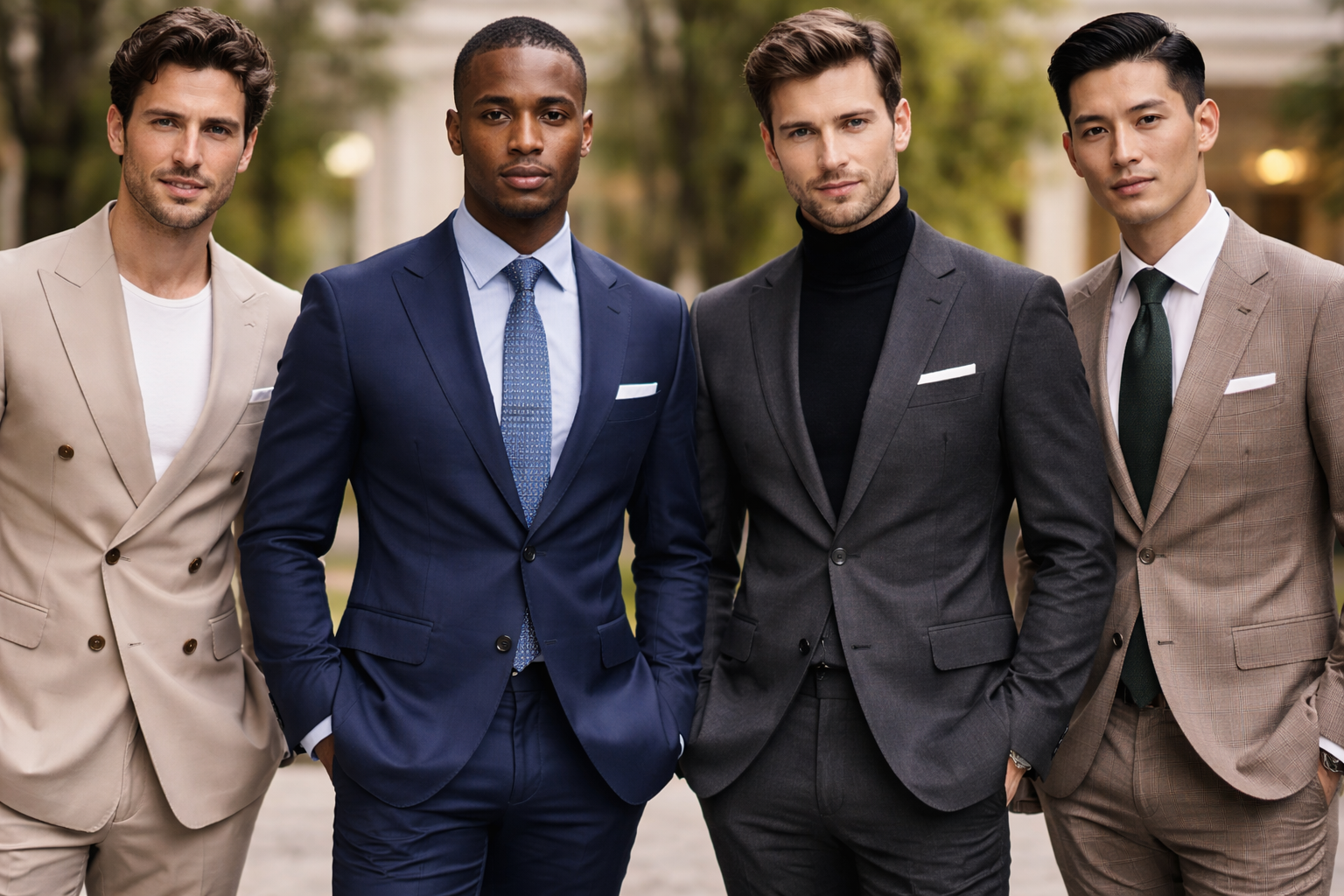
A blue suit is the modern workhorse of a sharp wardrobe. It shows up at interviews, weddings, client meetings, rooftop events, and everything in between. It is versatile, clean, and universally flattering.
The tie is where things get interesting. The color of the tie sets the tone: it can make the same blue suit look serious, laid back, bold, or quietly confident. Get it right and the outfit looks intentional. Get it wrong and something feels slightly off, even if no one can explain why.
The good news: blue is incredibly forgiving. Once the suit shade and shirt color are clear, tie color becomes a simple, repeatable decision instead of guesswork. This guide breaks it down: which shade of blue is on the body, which shirt is underneath, and which tie colors always work on top. Along the way, it shows how a high performance blue suit from xSuit makes all those combinations easier to wear in real life.
Know the Blue: Shade Matters First
Not all blue suits send the same message. Before choosing a tie, it helps to know which kind of blue is in play.
Navy Blue: Classic and Highly Versatile
Navy is the default suit shade for a reason. It is dark enough for formal settings, light enough to avoid looking black, and works in almost any environment.
Navy suits pair well with:
-
Conservative ties for interviews and serious meetings.
-
Rich colors for evening events and dinners.
-
Slightly textured ties that add dimension without stealing attention.
Navy gives more room to experiment with tie color because it acts as a strong, neutral base.
Mid‑Blue: Modern and Fresh
Mid‑blue sits between navy and light blue. It is brighter than navy, which makes it stand out more in natural light and in photos.
Mid‑blue suits:
-
Feel more contemporary and relaxed than navy.
-
Work especially well for daytime events, weddings, and smart business settings.
-
Pair best with ties that are a shade or two darker for balance.
This shade is ideal for anyone who wants something sharper than standard navy but still office‑appropriate. It also looks excellent in performance fabrics that keep the color crisp and smooth, like a mid‑blue xSuit.
Light Blue / Powder Blue: Seasonal and Casual‑Lean
Light blue and powder blue suits are more specific. They lean into spring and summer and often feel more relaxed or fashion‑forward.
Light blue suits:
-
Are best for warm weather events and daytime functions.
-
Benefit from deeper ties that stop the outfit from looking too washed out.
-
Work well with pastel shirts and interesting textures.
This category is less about daily office wear and more about stylish moments where a classic navy or mid‑blue might feel too serious.
The Role of the Shirt: Foundation Before the Tie
Once the shade of the suit is clear, the shirt becomes the next decision. The shirt color sets the background for the tie and quietly dictates how bold the tie can be.
White Shirt: Clean Contrast and Maximum Flexibility
A white shirt is the easiest canvas for a blue suit and tie. It provides high contrast, looks sharp in almost any light, and works for every level of formality.
With a white shirt:
-
Any classic tie color can work: navy, burgundy, charcoal, black.
-
Bold colors and patterns stand out clearly.
-
The overall look stays crisp, even if the tie has more personality.
This is the safest starting point: white shirt, blue suit, smart tie. From there, adjustments can be made for mood and occasion.
Light Blue Shirt: Soft, Tonal, and Professional
A light blue shirt softens the contrast and leans into a tonal look. It feels slightly more relaxed than white but still completely professional.
With a light blue shirt:
-
Deeper ties work best: navy, burgundy, forest green, charcoal.
-
Very pale or pastel ties can get lost, so depth is important.
-
The outfit reads refined and modern, especially with mid‑blue or navy suits.
This combination is excellent for business days, presentations, and daytime events where a sharp yet approachable presence is needed.
Pale Pink and Subtle Pastels: Warmth and Personality
Pale pink, lavender, and other soft pastels add personality without going loud. They pair naturally with blue and can be very flattering on many skin tones.
With pastel shirts:
-
The tie should usually be darker than both the shirt and the suit for proper contrast.
-
Burgundy, plum, deep green, or navy ties anchor the look.
-
Patterns should stay subtle to keep things sophisticated.
These combinations shine at weddings, creative offices, and social occasions where a plain white shirt might feel too stiff.
(Wondering what color shoes to wear with a blue suit?)
Classic Tie Colors That Always Work With a Blue Suit
Some tie colors are almost impossible to get wrong with a blue suit. They form the backbone of a reliable rotation.
Navy Tie
A navy tie on a blue suit sounds simple, but it is one of the strongest combinations available.
On a navy suit:
-
A navy tie creates a tonal, serious look that is ideal for interviews, important meetings, and formal offices.
-
Texture becomes important: grenadine, knit, or lightly patterned navy ties keep it from feeling flat.
On a mid‑blue suit:
-
A navy tie gives controlled contrast and looks sharp and modern.
-
It visually grounds the brighter suit shade and keeps the outfit professional.
This is the tie that should probably exist in multiple textures: it pulls more weight than almost any other.
Burgundy / Wine Tie
Burgundy introduces richness. It stands out more than navy without crossing into loud.
With navy or mid‑blue suits:
-
Burgundy ties create a strong, confident contrast that still feels classic.
-
They work especially well with white or light blue shirts.
-
They are perfect for fall, winter, and evening events.
Burgundy also photographs beautifully against blue, which makes it a smart choice for any moment that will end up on camera.
Charcoal / Grey Tie
Charcoal and grey ties are understated and sophisticated. They calm down brighter blues and add depth to navy.
With a blue suit:
-
Charcoal ties especially shine with light blue shirts for a cool, cohesive palette.
-
Grey ties can reduce the formality slightly while maintaining polish.
-
They are useful in offices where subtlety is valued more than flair.
This is the tie to reach for when the suit is already doing enough talking.
Black Tie
Black ties are not just for black suits. With the right setup, they sit well with navy and some mid‑blue suits, particularly in the evening.
Best use cases:
-
Navy suit, white shirt, black tie for night events or very dressy settings.
-
Fabrics with a slight sheen or very smooth weave to match the formality.
The key is context. In bright daylight or very casual settings, a black tie with a blue suit can feel too stark. In controlled lighting and more formal environments, it looks precise and intentional.
Bolder Tie Colors For Personality
Classic combinations handle most situations. Sometimes a blue suit benefits from a bit more character.
Deep Green Tie (Forest or Emerald)
Deep green works surprisingly well with both navy and mid-blue. The cool base of blue and the richness of green create a refined yet interesting pairing.
On navy, forest green feels subtle and sophisticated. On mid-blue, it stands out a little more while staying appropriate for business and evening events. Dark, saturated greens read stylish rather than flashy, especially in matte or slightly textured fabrics.
Rust, Burnt Orange, and Copper
Rust, burnt orange, and copper tones bring warmth into a blue suit combination. They are especially strong in autumn or in settings with softer, warmer lighting.
These shades:
-
Pair best with navy or darker mid-blue suits.
-
Sit nicely over white or light blue shirts.
-
Look refined when the tie’s pattern is simple and the fabric not overly shiny.
The effect is confident and slightly creative; more expressive than burgundy, but still grounded by the blue suit.
Purple and Plum Ties
Purple and plum offer a sophisticated alternative to burgundy. Darker tones lean formal and have a natural harmony with blue.
With navy or mid-blue suits:
-
Deep plum ties add depth without drawing all attention.
-
Patterns should remain subtle: small dots, faint stripes, or tone-on-tone weaves.
-
Neutral shirts such as white or light blue keep the combination controlled.
Used this way, purple feels deliberate and grown, not playful or costume-like.
Patterns, Textures, and How Busy To Go
Color is only one half of tie selection. Pattern and texture decide how loud or quiet the combination feels.
Solids vs Subtle Patterns
Solid ties are the safest option, especially in formal or conservative spaces. Navy, burgundy, charcoal, and deep green solids work with most blue suits and standard shirts.
Subtle patterns can add depth without becoming a distraction. Good examples include:
-
Small dots.
-
Fine stripes.
-
Micro-geometric motifs in similar tones.
On camera or in bright light, these small patterns create visual interest without reading as “busy”.
Stripes, Checks, and Bolder Designs
Stripes and checks need more care. If the shirt is already striped or checked, the tie pattern must either:
-
Contrast clearly in scale, for example: small stripes on the shirt, wider stripes on the tie.
-
Run in a different direction, such as horizontal or diagonal versus vertical.
The practical rule: only one clear statement piece among suit, shirt, and tie. If the suit has a bold check or the shirt has a strong stripe, the tie should usually stay relatively simple. If the suit and shirt are quiet, a bolder stripe or pattern on the tie can take the lead.
Texture: Grenadine, Knit, and Satin
Texture changes how color behaves.
-
Grenadine ties in navy or burgundy add a matte, woven surface that feels rich and muted.
-
Knitted ties soften formality and work well in smart casual or relaxed business settings, especially with mid-blue suits.
-
Smooth satin or high-sheen silk suits evening events and weddings, particularly in deeper colors like black, burgundy, or deep blue.
For a performance blue suit such as an xSuit, textured ties are especially effective. The clean, sleek fabric of the suit balances the grain of a grenadine or knit tie, creating a modern mix of polish and depth.
Matching Tie Color to Occasion
The same blue suit and shirt can behave very differently once the tie changes. Occasion is the final filter.
Job Interviews and Business Meetings
In interviews and serious meetings, tie color should support credibility rather than draw focus. Strong combinations include:
-
Navy suit, white shirt, navy tie: tonal, serious, and classic.
-
Navy suit, white shirt, burgundy tie: confident and professional.
-
Mid-blue suit, white or light blue shirt, navy or charcoal tie: modern but still conservative.
These combinations photograph well, look appropriate across industries, and signal focus and reliability.
Weddings and Social Events
At weddings and social gatherings, the tie can become slightly softer or warmer.
Effective options with blue suits:
-
Burgundy or wine ties for a rich, celebratory feel.
-
Deep green or forest ties for a stylish, slightly less common look.
-
Textured or lightly patterned ties: small florals, subtle jacquards, or woven designs that reward a closer look.
Light blue or pastel shirts work particularly well here, as long as the tie is darker and more grounded than the shirt. The aim is festive, not loud.
Smart Casual and Dress-Down Settings
In more relaxed settings, a blue suit can shift toward smart casual. A knitted tie in navy, burgundy, or forest green, paired with a light blue or white shirt, smooths that transition.
Key adjustments:
-
Slightly slimmer ties for a more contemporary feel.
-
More matte textures such as knits or grenadine.
-
Willingness to skip the tie entirely in clearly casual contexts, relying on an open collar with a mid-blue or navy suit and a clean performance shirt.
The line is context dependent. In environments where tailored clothing is expected, a smart tie remains the safest choice.
Common Tie Mistakes With Blue Suits
Even with a versatile base, a few missteps can undermine the look of a blue suit.
Frequent mistakes include:
-
Overly shiny, cheap satin ties: these reflect light harshly and can make even a high quality suit look lower tier.
-
High-contrast novelty ties: loud prints, cartoon motifs, or neon colors fight with the suit and distract from the wearer.
-
Mismatched formality: pairing a very casual knit tie with an ultra formal, structured navy suit, or using a glossy, formal tie with a deliberately relaxed mid-blue suit and casual shirt.
-
Ignoring width: combining a very slim tie with wide lapels, or a wide tie with narrow lapels, throws off balance.
Avoiding these errors keeps the blue suit looking considered, not improvised.
Finding the right tie for your blue suit
Choosing the right tie for a blue suit becomes straightforward when the suit shade, shirt color, and occasion are clear. Navy, burgundy, charcoal, and black form the classic core. Deep greens, rust tones, and plum ties add personality for those who want more character without sacrificing polish.
Pattern and texture fine tune the message. Solids and small patterns handle formal and conservative settings. Knits, grenadine, and richer weaves add depth and ease for social and smart casual moments.
A well-cut blue suit in a performance fabric, such as an xSuit in navy or mid-blue, turns these combinations into a flexible system. One suit can support a wide range of tie choices: from understated business combinations to more expressive event pairings. In that sense, the tie becomes the steering wheel of the outfit; the blue suit stays constant while the color and texture at the collar set the pace.