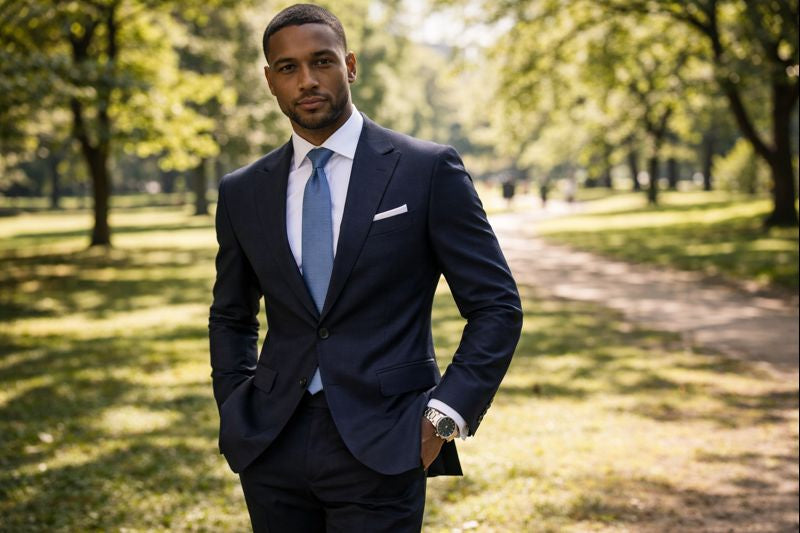
What Is Formal Dressing? Formal Dress Code Explained
An invitation arrives with two words that can send anyone’s mind spinning:
“Formal attire.”
Suddenly there are questions. Does that mean a tuxedo? A long gown? A dark suit? Are clean sneakers enough? Is everyone about to be wildly overdressed or awkwardly underdressed?
Formal dressing can feel vague and old fashioned, yet it appears on wedding invitations, company events and gala tickets all the time. When someone invests in a suit or dress, especially a modern, comfort focused suit like xSuit, it helps to know exactly where it fits on the formality scale.
This guide breaks formal dressing into clear, practical pieces. The goal is simple: explain what “formal” really means today, how it compares to other dress codes and how a few core principles can make any outfit feel appropriate and confident.
Why Formal Dress Codes Exist (And Why They Still Matter)

Before specific outfits come into play, it helps to understand why dress codes exist in the first place. Once the “why” is clear, the “what to wear” decisions become less stressful.
Dress Codes As A Shared Language
A dress code works like a shortcut: a few words that tell everyone roughly how dressed up to be.
When a host writes “formal,” the aim is to keep guests on the same page. No one wants to be the only person in a tuxedo when everyone else is in chinos; no one wants to be the guest in sandals at a ballroom wedding.
In that sense, a dress code is not a trap. It is a simple way to create a shared expectation so that the group looks cohesive and no one feels out of place.
Respect For The Occasion And The People
Clothing sends a message long before the first word is spoken.
At a wedding, formal dress signals that the couple’s day is taken seriously. At a company awards night, it shows respect for the work being celebrated and for the organizers who planned the event.
That is why formal dressing usually involves:
-
Structured clothing: suits, tuxedos, gowns, tailored separates
-
Refined fabrics: wool, silk, satin, velvet, luxe blends
-
Polished details: proper shoes, neat hair, pressed garments
The point is less about being “fancy” for its own sake and more about matching the importance of the moment.
How Formal Clothing Affects Confidence
There is also a personal effect.
Standing in a well fitting suit or a gown that truly suits the body tends to change posture and presence. Shoulders roll back. Movements become more deliberate. There is less fidgeting and more calm.
Most people have felt a version of this: a certain blazer that always seems to help in a big meeting, or a pair of shoes that gives a small confidence boost every time. Formal dressing takes that feeling and applies it to high visibility, high stakes situations.
Why The Rules Feel Looser Today
Traditional etiquette once treated formal dressing as a strict rulebook. Over time, life has shifted.
Offices moved toward business casual. Many weddings became less traditional. Travel to events became easier, often with limited luggage. As a result, hosts started using terms like “formal,” “black tie optional” and “dressy” in a more flexible way.
The expectation to look polished remains. The path to that polished look is now wider, especially with modern performance suits that combine structure with stretch, breathability and easy care.
That flexibility is helpful, although it can also be confusing. To clear that up, it helps to place “formal” on the wider dress code spectrum.
The Formal Dress Spectrum: From White Tie To “Formal” On An Invite
Dress codes sit on a spectrum that runs from ultra formal to very relaxed. Understanding that spectrum makes “formal” feel much less mysterious.
White Tie: Ultra Formal
White tie sits at the very top of the formality ladder.
It is reserved for state dinners, certain royal events and a small number of very traditional galas. A typical white tie dress code means an evening tailcoat, white shirt, white bow tie and formal accessories for masculine dressing, and a full length, very formal gown for feminine dressing.
Most people will never attend a white tie event. If an invitation truly specifies “white tie,” that is the moment to follow instructions precisely or to ask the host for direct guidance.
Black Tie: The Classic Evening Standard
Black tie is the classic image that comes to mind with formal evening wear.
Traditionally, this means:
-
A tuxedo with a black bow tie and formal shirt for masculine dressing
-
A floor length gown or an extremely dressy cocktail dress for feminine dressing
Black tie appears on invitations for evening weddings, charity galas and formal award ceremonies. Guests are expected to appear clearly dressed up, a full step above any office outfit.
Some hosts are strict and expect tuxedos; others simply want sharply tailored dark suits and elegant dresses. When in doubt, a classic tuxedo or a long dress is the safest choice.
“Formal” Or “Black Tie Optional”
This is where many modern invitations land.
When an event is labeled “formal” or “black tie optional,” the host signals an elevated dress code without requiring tuxedos from everyone. A tuxedo is welcome, but a dark, well cut suit is also considered appropriate.
For masculine dressing, strong options include:
-
A black, midnight, navy or charcoal suit
-
A crisp white or very light dress shirt
-
A conservative tie
-
Dark leather dress shoes
For feminine dressing, the range is broader:
-
Long gowns
-
Dressy midi or cocktail dresses in refined fabrics
-
Tailored suits or jumpsuits with a clearly elevated feel
A dark, cleanly tailored performance suit, styled with a white shirt and polished shoes, fits comfortably within most “formal” or “black tie optional” expectations.
Business Formal: The Corporate Version Of Formal
Business formal sits between everyday office wear and a gala.
The goal in business formal settings is to look trustworthy, competent and polished in a professional environment. Typical elements include:
-
Dark or mid tone suit
-
Dress shirt or blouse
-
Conservative tie or simple jewelry
-
Leather dress shoes or closed toe heels
Business formal appears for high level job interviews, board meetings and some conferences. It shares pieces with social formal wear, but leans away from sparkle and toward understatement.
What Formal Is Not: Semi Formal, Cocktail And Smart Casual
Confusion often comes from blending “formal” with nearby dress codes. A quick mental checklist helps:
-
Semi formal: still dressy; shorter hemlines and lighter colors become more acceptable
-
Cocktail: party ready clothing that is polished but playful rather than serious
-
Smart casual: elevated everyday outfits; for example, a blazer with chinos or a refined blouse with tailored trousers
If an invitation specifies “formal,” think one clear step beyond all of these. Venue and time of day matter as well: a hotel ballroom at night calls for more formality than a backyard afternoon ceremony.
Once formal dressing is seen as a specific band on this spectrum, the category stops feeling vague. From there, the focus can shift to the core principles that make any outfit appear truly formal.
Core Principles Of Formal Dressing That Apply To Everyone
Dress codes vary across cultures, industries and events. The fundamentals of formal dressing stay consistent. When these are in place, almost any outfit can be shaped to feel suitably formal.
Fit Comes First
Fit is the foundation of formality.
A mid range suit with sharp tailoring will always look more expensive than a luxury suit that hangs badly. The same is true for dresses, jumpsuits and separates. Clean, intentional lines signal care and quality.
Key fit checkpoints include:
-
Jackets: shoulder seams sit at the edge of the shoulders; lapels lie flat; the front button can be fastened without strain
-
Trousers: no sagging or pulling; a small, neat break at the shoe
-
Shirts: the collar closes comfortably; cuffs reach the wrist bone without swallowing the hands
Stretch and performance fabrics increase comfort; they do not replace the need for tailoring. Comfort should support good posture and movement, not encourage a sloppy silhouette.
Fabric And Quality
Formal clothing has a certain weight and drape.
Traditional options include worsted wool, silk, satin, velvet and high quality blends. These materials hold their shape, move smoothly and catch the light in a refined way rather than clinging like T shirt fabric.
Modern performance fabrics can absolutely belong in formal dressing when they mimic this look. Helpful signs:
-
A smooth, non shiny surface
-
Enough structure to maintain clean lines
-
No obvious athletic details such as contrast zippers or overtly sporty piping
If a suit or dress appears crisp and substantial rather than thin or flimsy, it is moving in the right direction for formal wear.
Color And Pattern
Color has a powerful effect on how formal an outfit feels.
Reliable formal colors include:
-
Black
-
Deep navy
-
Charcoal and other dark greys
-
Rich jewel tones such as emerald, burgundy or sapphire
Lighter tones can still be formal, especially for daytime events or warm weather, but often require more careful styling. Very bright neons or loud prints send a more casual or party focused message unless the event is specifically themed.
Patterns tend to work best when they are subtle: fine pinstripes, small checks, delicate lace or minimal jacquard. When a pattern dominates the look at first glance, the outfit usually steps away from classic formality.
Structure And Silhouette
Formal clothes are built to create structure around the body.
Key elements include:
-
Defined lapels on a blazer
-
A clear shoulder line
-
A shaped waist
-
A skirt or trouser that falls in a clean, uninterrupted line
This is why a tailored suit, tuxedo or structured gown appears formal, while a flowy sundress or oversized hoodie does not, regardless of price.
Performance suits stand out when internal stretch and comfort are combined with external structure. The wearer gains freedom of movement yet still presents a strong, precise silhouette that fits formal expectations.
Grooming And Polish
Even the best outfit can be undermined by weak finishing touches.
A simple checklist before any formal event can make a major difference:
-
Garments pressed or steamed
-
Lint, pet hair and loose threads removed
-
Shoes cleaned and polished
-
Hair styled in an intentional way, whether sleek or softly undone
-
Nails clean and trimmed
Accessories matter as well. A crooked tie, tangled necklace or overstuffed everyday backpack can drag an otherwise formal look down.
The encouraging part: these details often take less time than choosing the clothes themselves, yet they are exactly what makes observers think, “That person looks really put together,” even if they cannot pinpoint the reason.
Formal Dress Code For Men And Masculine Dressing
Formal dressing for men and anyone who prefers a more traditionally masculine style does not have to be complicated. Once a few formulas are in place, you can repeat them for almost any event.
The Social Formal Outfit Formula
For most evening weddings, galas and black tie optional events, you can work from one simple formula.
Start with a dark, well structured suit in black, navy, charcoal or deep midnight. Add a crisp dress shirt in white or a very light tone. Finish with a tie, leather dress shoes and a few small details that show you paid attention.
Think in layers:
-
Suit: dark, tailored, clean lines
-
Shirt: pressed, no fraying at the collar or cuffs
-
Tie: solid or subtle pattern, not a novelty design
-
Shoes: lace up or sleek loafers in polished leather
-
Extras: simple watch, pocket square if you like, belt that matches your shoes
If you own a performance suit that looks like classic tailoring, such as a dark xSuit styled with a white shirt and proper dress shoes, you can easily hit this social formal level while staying comfortable.
Business Formal
Business formal takes the same building blocks and shifts the tone toward work.
Colors lean slightly more conservative. Patterns get quieter. Shine and high drama details are dialed down. The goal is to appear trustworthy and professional rather than glamorous.
For a business formal setting, a strong baseline looks like this:
-
Dark or medium suit in navy, charcoal or deep grey
-
Light dress shirt in white or pale blue
-
Classic silk tie in a simple stripe, dot or solid
-
Black or dark brown leather shoes with dark socks
-
Minimal jewelry and cologne
If you are not sure whether an event is more social or more corporate, steer closer to business formal. It is much easier to elevate a business formal look with a pocket square and bolder tie than to tone down something that is too flashy.
Key Components That Make Or Break The Look
Several pieces carry more visual weight than others.
The jacket sets the tone. A suit jacket or tuxedo with clean lapels, neat shoulders and a smooth chest immediately tells people this is not casual. Fit problems at the shoulders or chest are the most noticeable, so this is where tailoring pays off.
The shirt frames your face. A slightly greyed out white shirt or one with a collapsing collar can drag the entire look down. A bright, freshly pressed shirt with a collar that stands properly makes the same suit look sharper.
Shoes are the anchor. Sneakers, chunky boots or heavy casual loafers almost always read as too relaxed for formal events. A pair of simple, well cared for leather oxfords or derbies will quietly communicate that you took the dress code seriously.
Accessories are the volume dial. A pocket square, cufflinks and a watch can add personality; too many loud or mismatched pieces can turn the outfit into a costume. If you are unsure, choose one or two details and keep the rest simple.
Can You Wear A Suit Instead Of A Tuxedo
This question comes up constantly.
If the invitation says “black tie,” a tuxedo is the traditional answer. That said, many modern couples and hosts are completely happy with guests in very sharp, dark suits, especially if the event is not in an ultra formal venue.
If the invitation says “formal,” “black tie optional” or “evening attire,” a dark suit is almost always acceptable. Make sure it hits a few marks:
-
Dark color: black, midnight, deep navy or charcoal
-
Crisp white shirt
-
Tie that feels refined rather than playful
-
Polished dress shoes
Focus on fit, fabric and finish. A beautifully tailored dark suit with a clean shirt and formal accessories will always look more appropriate than a rented tux that does not fit well. If your suit uses modern stretch fabric and is wrinkle resistant, you also gain the comfort to enjoy the event instead of thinking about your clothes all night.
Formal Dress Code For Women And Feminine Dressing
Formal dressing for women or anyone who prefers a more traditionally feminine style covers a wide range. That can feel exciting and stressful at the same time. A few guidelines help narrow the options.
Dress Length And Style
Dress length is one of the biggest signals of formality.
For black tie and very traditional evening events, a floor length gown is the safest choice. It does not have to be huge or heavily embellished. A simple, well cut gown in a strong color often looks more expensive than a complicated dress that does not fit properly.
For “formal” or “black tie optional,” you have more flexibility:
-
Floor length gowns still work
-
Midi dresses that hit mid calf can be perfectly formal
-
Some cocktail length dresses are suitable if the fabric and cut look polished
If a dress is very short, bodycon to the point of feeling like club wear or made from thin, casual fabric, it will slide out of the formal category quickly.
Suits, Jumpsuits And Dressy Separates
Dresses are not the only route.
Tailored pantsuits, skirt suits and jumpsuits can look incredibly formal when they are cut well and made from refined fabric. A sharp suit in black, deep navy or another dark tone, paired with a silk or silky blouse and heels, easily matches formal expectations at many events.
A structured jumpsuit with long, clean lines and minimal hardware can also read formal, especially in deep colors or rich materials. The key is to keep the silhouette intentional and the fabric dressy rather than casual.
Fabrics And Finish
Fabric choice matters a lot in feminine formalwear.
Textures that usually feel formal include:
-
Silk and satin
-
Crepe
-
Chiffon and georgette
-
Velvet
-
High quality lace
These materials move differently from cotton sundress fabric or jersey. They drape, glide and hold shape in a way that suits formal environments.
Details like beading, sequins, embroidery and metallic threads can add formality too, although a little goes a long way. One focal point is usually enough. The rest of the outfit can stay simpler so it does not turn chaotic.
Shoes, Bags And Jewelry
Accessories finish the picture.
Shoes should feel dressy even if the heel is modest or flat. Closed toe pumps, slingbacks and elegant flats work well. Chunky platforms, casual sandals and sneakers tend to pull an outfit downward on the formality scale.
For bags, small is better. Clutches, compact crossbody bags or small structured handbags look more formal than large totes or everyday backpacks.
Jewelry can be delicate or bold, but it should look intentional. A single pair of strong earrings or a standout necklace usually has more impact than piling everything on at once.
How To Decode “Formal” On An Invitation
Seeing “formal” on an invitation should not cause panic. A few quick checks can give you a clear picture of what is expected.
Read The Exact Wording
Dress code phrases are chosen on purpose. Look closely at the language.
Common terms include:
-
Black tie
-
Formal
-
Black tie optional
-
Semi formal
-
Cocktail attire
-
Festive
“Black tie” usually implies tuxedos and long gowns. “Formal” and “black tie optional” create more room for dark suits, midi dresses and refined jumpsuits. “Semi formal” and “cocktail” invite slightly shorter hemlines and lighter colors while still expecting polish.
Consider The Context
Clothing never exists in a vacuum.
Ask a few questions:
-
What time is the event: afternoon or evening
-
Where is it being held: ballroom, restaurant, vineyard, backyard
-
What type of event is it: wedding, corporate awards, gala, charity dinner
An evening event in a hotel ballroom leans more formal than a late afternoon ceremony in a garden. A company awards night in a corporate ballroom pushes more toward business formal, while a charity gala with a red carpet leans toward black tie energy.
When In Doubt, Ask
It is perfectly acceptable to ask for clarification.
A quick, polite message to the host or event organizer shows respect rather than fussiness. Something as simple as “When you say formal, are you thinking tuxedos and gowns or dark suits and dressy dresses” gives you a clear answer and helps avoid awkward surprises.
If asking is not possible, remember that it is nearly always safer to be slightly overdressed than noticeably underdressed. A dark suit or polished dress rarely looks out of place at a formal event.
Business Formal Versus Social Formal: Same Rules, Different Vibe
Business formal and social formal share a lot of DNA. The difference is in the mood and the details.
At work related events, subtlety is usually the goal. Colors are slightly more muted. Patterns are simpler. Fabrics are refined but not overly shiny. A navy suit, light shirt and simple tie for masculine dressing or a tailored dress or pantsuit for feminine dressing fits naturally in this setting.
At social formal events, especially weddings and galas, there is more room for drama. Richer colors, a bit more shine, bolder silhouettes and statement accessories all feel at home, as long as they still look intentional and well made.
The underlying rules stay the same:
-
Fit and structure matter
-
Quality fabrics help
-
Polished grooming is essential
Think of business formal as the understated sibling and social formal as the one that gets to dress up a little more for the photos.
Travel Friendly Formal Outfits
Travel adds another layer: suitcases, airplanes and tight timelines.
Wrinkle resistant suits (like the xSuit, for example) and dresses, especially those designed with stretch and technical fabrics, shine here. They can handle being packed, reshaped quickly after unpacking and worn for hours without losing their structure.
If you know you will be moving through airports and taxis before a formal event, choosing performance formalwear that allows you to sit, bend and walk freely while still reading as polished is one of the smartest investments you can make.
Common Formal Dress Code Mistakes And How To Avoid Them
A few recurring mistakes show up at almost every formal event. The good news is that they are easy to avoid once you know what to look for.
-
Confusing formal with semi formal or cocktail: hemlines get too short, fabrics too casual and accessories too playful
-
Ignoring shoes: wearing sneakers, worn out loafers or casual sandals with an otherwise formal outfit
-
Overdoing color and pattern: choosing very bright suits or dresses that overpower the tone of the event
-
Skipping grooming: wrinkled clothes, visible lint, chipped nail polish or unpolished shoes
-
Underestimating the dress code: arriving in something clearly more casual than most guests, which tends to feel disrespectful to the host
A simple habit helps: once the outfit is on, step back and look at it as a whole. Ask whether the pieces tell the same story and whether anything is dragging the level down. Often one small change, such as swapping shoes or steaming a jacket, is all it takes.
A Simple Formal Capsule Wardrobe Checklist
Building a small, flexible set of formal pieces removes a lot of stress. With a capsule in place, you always have something to reach for when another “formal attire” invitation appears.
For suit based outfits, a strong capsule might include:
-
One dark suit in black, midnight or deep navy
-
One additional suit or separate jacket and trousers in charcoal or another dark neutral
-
Two or three dress shirts or blouses in white and pale tones
-
One pair of polished black leather dress shoes
-
One pair of dark brown or another neutral if variety is needed
-
A couple of classic ties or scarves and a simple belt
For dress based outfits, a capsule could include:
-
One floor length gown in a dark neutral or rich jewel tone
-
One versatile midi or cocktail dress in a refined fabric
-
One tailored jumpsuit or pantsuit that can handle both business formal and social events
-
One pair of formal heels and one pair of elegant flats
-
A neutral clutch or small evening bag
-
A few pieces of simple, high impact jewelry
With these building blocks in place, most formal invitations can be handled by mixing and matching rather than starting from scratch.